od官网登录_OD(中国)官方简介
od官网登录_OD(中国)官方
申请入会
欢迎关注我们
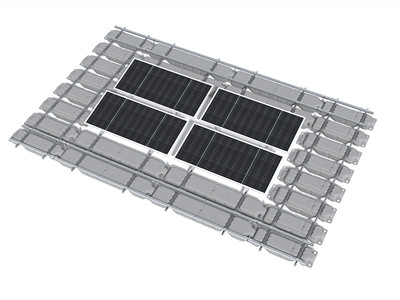
漂浮支架系统解决方案是一种将光伏组件安装于水面上发电的光伏支架结构,不仅能有效节约土地资源,还可利用闲置水域实现高效环保的可持续能源利用。
产品分类: 婴儿车
产品型号:B6003
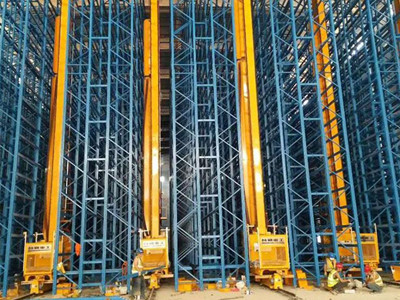
成熟、稳定的技术;
大批量货物的高效自动存储;
有效降低人工成本,提高空间利用率。
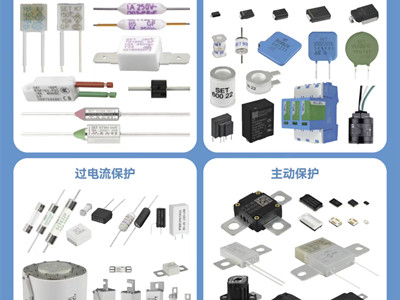
涵盖过温度保护、过电压保护、过电流保护、主动保护等多个领域,以满足不断变化的市场需求。
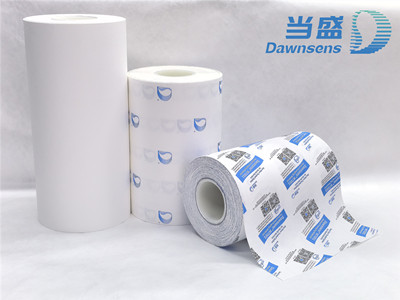
包含应用领域:医疗包装、安全防护、活性包装、印刷标签、工业包装、建筑防水、农业植保、创意设计。
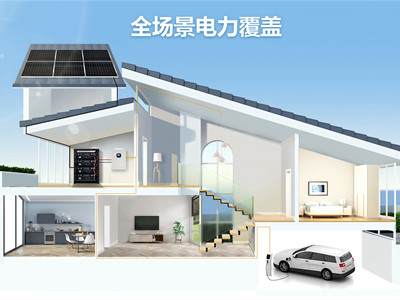
安全高效智能,家庭用电无忧
高效太阳能充电:29KWH发电量
电池储备量:20KWH 电量储备
混合逆变器:支持并网和离网使用
可拓展系统:可添加15kw太阳能板
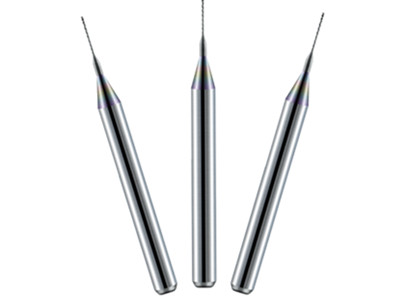
产品规格:0.04*0.5L*3.175D*38L
加工材料:陶瓷Photovee Ⅱ
孔径:0.04mm
孔深:0.4mm
孔间距:0.06mm
寿命:300孔
泰摩栗子X手摇磨豆机斩获日本GOOD DESIGN AWARD 2020设计大奖。继承泰摩栗子磨豆机系列的设计理念,延续被行业大咖所推崇的专利折叠手柄。高精度全金属设计,处处都有精密的细节结构设计。首创S2C(Spike to Cut)专利磨芯,实现“先刺后切”的二次切割式研磨,专利原创研磨度二次调节,带动由内而外的磨豆机革命。
专业供应漏电保护开关/插头
●用途:
剩余电流断路器
漏电保护开关
漏电保护断路器
漏电保护插头
●特点:
高灵敏度;
接近零的载荷偏移和相移;
极好的平衡特性;
很好的温度特性;
输出特性受大的直流冲击后的变化小;
多种结构形式和输出特性可供选择。
产品型号:GM-088W
包装速度:设计70包/分钟(以实际为准)
成 品 率:≥98%
包装方式:筒膜放卷,在线制袋
筒膜材料:PE膜,复合膜,膜单层厚度≤70um
包装规格:横片(插片)、竖片(叠片),堆垛高度≤90mm
三维尺寸:L6.3m x W1.5m x H2.0m(以实际储存为准)
整机自重:约2500KG
装机容量:约17KW
本产品膏体性能稳定,可应用于细至0.15mm针头点涂,点涂顺畅不断锡,锡膏成型好,不坍塌、不拖尾拉尖。
本产品活性剂具有快速释和优良润湿的特点。在快速加热焊接工艺应用过程中,可在1S内完成焊接,对焊接面润湿性好,不炸锡,不飞溅,焊后残留少无粘性,无腐蚀。
Radar+视觉AI+GIS融合感知。
载荷感知(空车/半载/重载)自适应控制。
MCU双核锁步容错控制。
支持ACC和自动远光灯控制。
od官网登录_OD(中国)官方版权所有 未经授权请勿转载任何图文或建立镜像
Copyright©2018 od官网登录_OD(中国)官方
闽ICP备2021010895号-1